
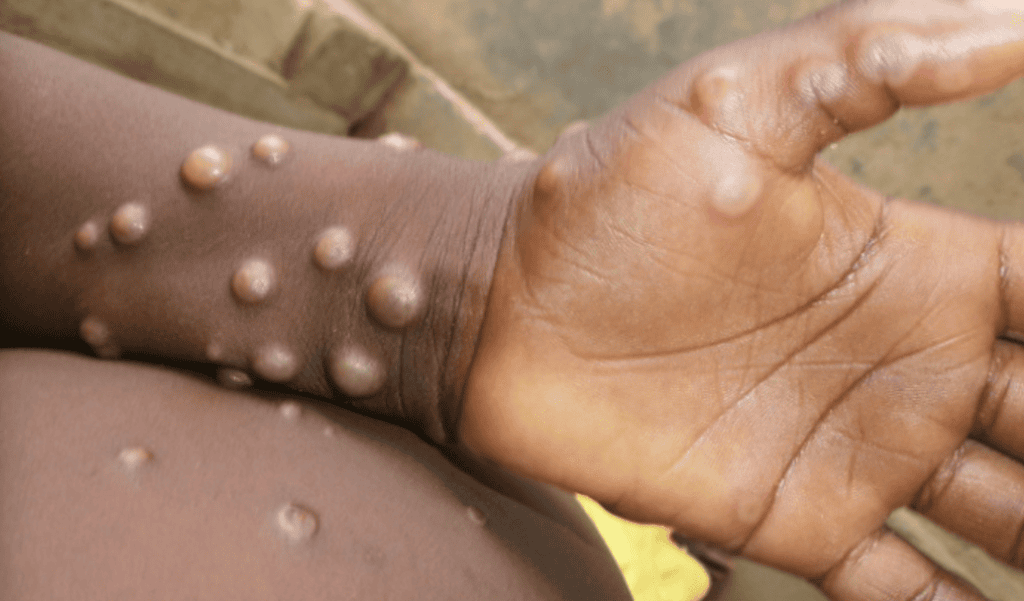
New mpox variant emerges in Europe: Here's how to prevent infection!
New cases of monkeypox virus (mpox) have recently been detected in several European countries, including Sweden, where a new, worrying variant has been identified for the first time outside Africa. This new strain of the virus, which originated in the Democratic Republic of Congo, causes more severe symptoms and appears more contagious than previous variants. The World Health Organisation (WHO) has reclassified the virus as an "international health crisis", forcing countries to act quickly to contain the outbreak.
However, the Netherlands does not currently have a specific vaccine available for travellers going to areas where mpox has been identified. This means that Dutch people travelling to these regions should be extra careful and take additional precautions to avoid infection.
Recommendations for travellers:
- Avoid skin-to-skin contact: This applies especially to contact with people who are ill or have a skin rash similar to the symptoms of mpox. Also avoid sexual contact with people who may be infected, as the virus can spread through skin contact and body fluids.
- Avoid contact with animals, especially rodents: Rodents and other animals can be carriers of the virus. Direct contact with these animals can lead to transmission of the virus to humans.
- Avoid touching contaminated objects: This includes touching bedding, clothing, or other items that have been in contact with an infected person. Also avoid sharing eating utensils, cups, food or drinks with someone who has mpox or may be infected.
The Dutch government has issued these guidelines to minimise the chances of the virus spreading. Although the outbreak remains limited so far, it is important that travellers are aware of the risks and adhere to these precautions to prevent further spread of the virus.
The situation is being closely monitored by authorities, and cooperation at European level is crucial to prevent a wider outbreak. Despite the worrying rise in the number of cases, health authorities stress that quick and effective measures can help to keep the situation under control. Travellers are therefore strongly advised to take this advice seriously and remain vigilant while staying in high-risk areas.
References:
1. Wales Online
2. World Economic Forum


