

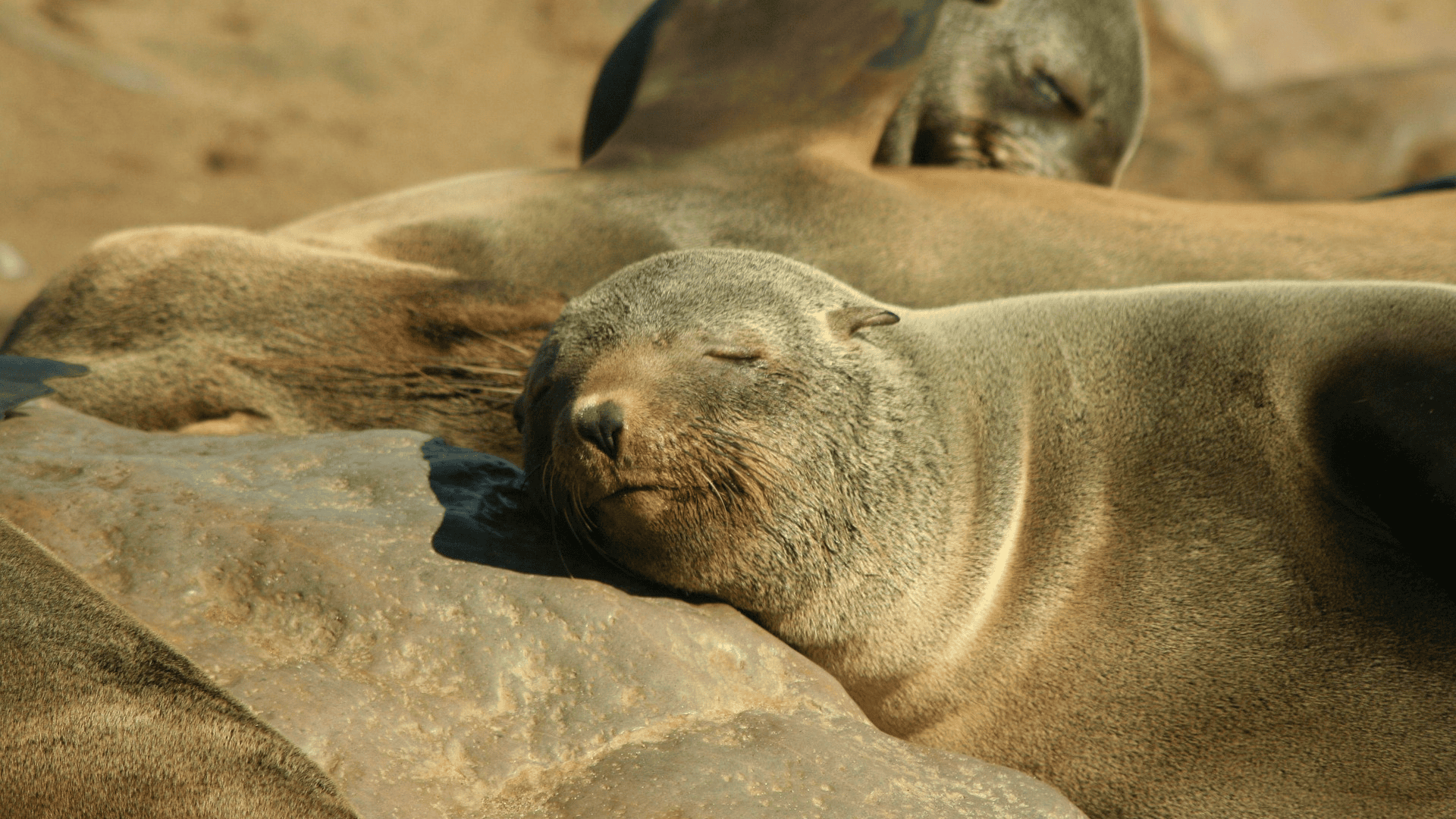
Warning: rabies outbreak in ear seals (seals)
There is an outbreak of rabies in ear seals in Namibia and South Africa. Ear seals are sea lions that live along the coast of southern Africa - and are increasingly offered as tourist attractions, such as swimming or snorkelling activities with seals (‘swimming with seals’). Precisely because of that direct contact with tourists, the outbreak is particularly worrying: meanwhile, visitors have already been bitten by an infected ear seal. What does this mean for your trip?
What is going on?
Rabies was already endemic in South Africa and Namibia, but its spread to ear seals is new. The virus was first identified in an ear seal in South Africa in 2024. Since then, there have been several incidents, including a surfer being bitten several times. Namibia followed in June 2025 and infected animals were found again in both countries in November 2025.
Measures: what to do?
Rabies is always fatal without treatment. Take these measures seriously.
Avoid contact
- Always stay away from ear seals
- Do not swim or snorkel with seals or eared seals
- Do not touch wild mammals, including dogs or cats
If bitten, scratched or licked over a wound:
- Immediately wash the wound with soap and water for at least 15 minutes
- Disinfect with iodine or alcohol
- Contact your health or travel insurance directly
- Seek medical attention as soon as possible and ask for PEP
When to vaccinate against rabies?
Pre-departure vaccination is highly recommended if you are travelling to an area where rabies is prevalent, planning activities where animal contact is possible, or staying far from proper medical care. The vaccination consists of three injections over three to four weeks and should be at least four weeks before departure be started.
