

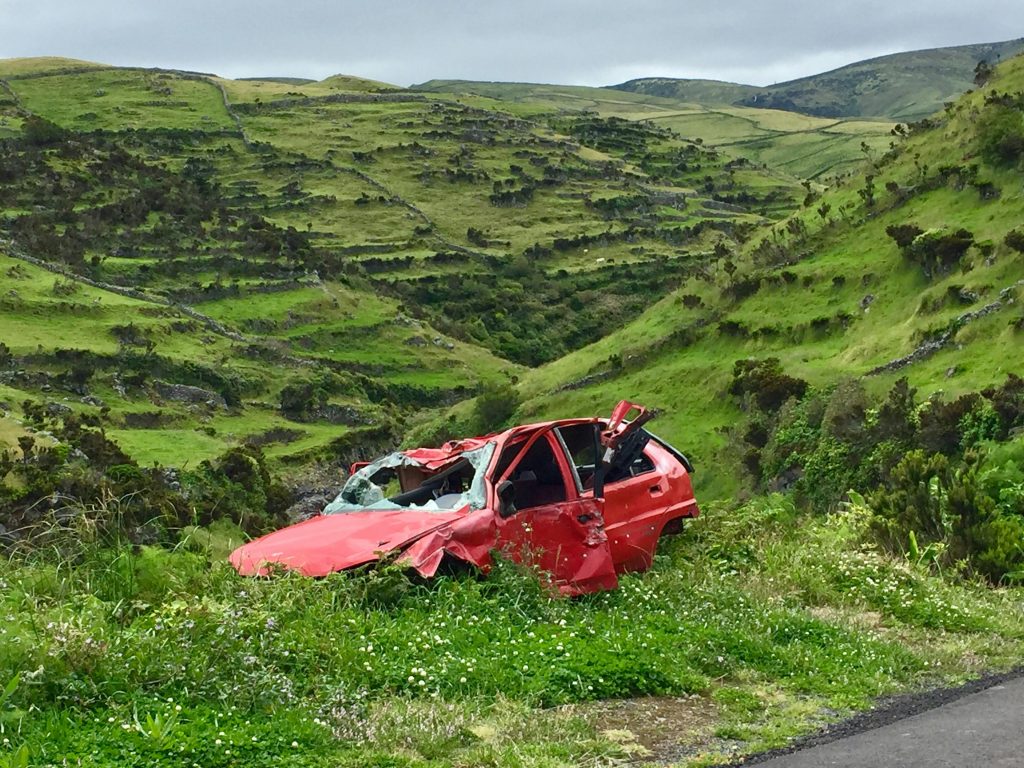
Accident abroad? Your guide to emergencies!
Do you know who to contact if you find yourself in an accident abroad? This blog will tell you what to do in case of an accident abroad.
Discovering new places, cultures and experiences abroad is exciting, but sometimes accidents can happen even when we least expect it. Whether it is a minor injury or a more serious incident, it is crucial to be prepared for such situations, especially if you are outside your home country. Here is a guide on what to do if you have an accident abroad.
- European Health Insurance Card (EHIC) and Emergency Centre:
The European Health Insurance Card (EHIC), or healthcare card, is an essential item for any traveller within the European Union (EU), as well as in some other European countries such as Norway, Iceland, Liechtenstein and Switzerland. This card provides access to medical care at the same conditions as locals in the country you are in.
There is an emergency number on the EHIC that you can call in case of a medical emergency. This number will direct you to an emergency centre that usually has Dutch-speaking staff. Make sure you make a note of this number and keep it in an easily accessible place, such as in your phone or wallet. In case of an accident, this number can be invaluable in getting urgent medical help and support.
- Ministry of Foreign Affairs:
It is wise to have the emergency number of your home country's Ministry of Foreign Affairs handy. This number can come in handy for non-medical emergencies, such as loss of identity documents, arrest, or other legal issues. The Ministry of Foreign Affairs can provide consular assistance and help you deal with emergencies while you are abroad.
You can usually find the Ministry of Foreign Affairs number on their official website, in travel guides for your country, or by contacting your country's embassy or consulate in the country where you are staying.
- Insurance abroad:
Besides the EHIC, it is also important to take out travel insurance that covers medical expenses as well as other emergencies such as loss of luggage, flight cancellations and repatriation home. Make sure you understand the terms and conditions of your insurance before you travel, including what is and is not covered, the maximum amount of cover and how to make a claim.
If you plan to undertake adventurous activities, such as mountain climbing, diving or skiing, consider taking out special travel insurance that covers these high-risk activities. Do you have Europe cover in your insurance policy? If so, don't forget to convert it to world cover.
An accident can suddenly disrupt your travel experience abroad, but by being prepared and knowing what to do in case of an emergency, you can minimise the impact and get the help you need quickly. Make sure you always have your EHIC with you, have noted the emergency number of the emergency centre and the Ministry of Foreign Affairs, and have taken out appropriate travel insurance. With these precautions, you can travel with peace of mind and enjoy all that the world has to offer. Safe travels!


