

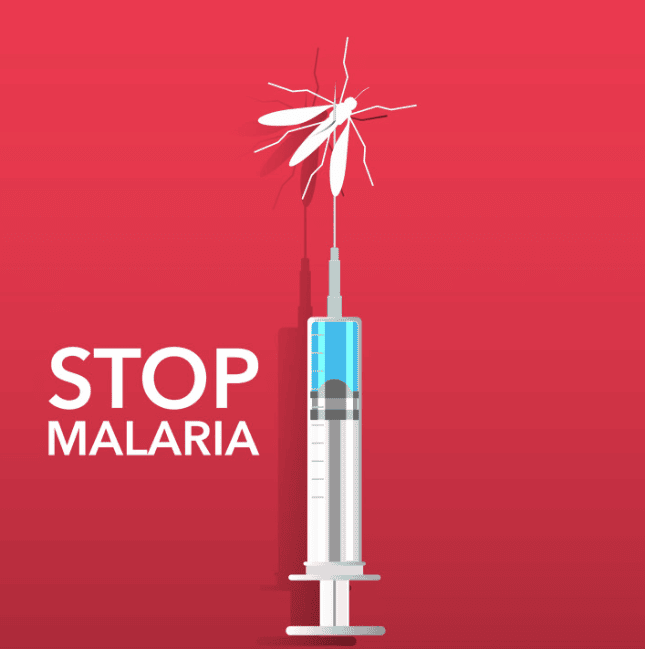
World Malaria Day 2026: what does it mean for travellers?
Tomorrow, 25 April, is World Malaria Day 2026, an annual moment when the world reflects on the fight against one of the world's most dangerous infectious diseases. The theme this year is telling: “Driven to End Malaria: Now We Can. Now We Must.” Malaria affects millions of people every year, mainly in Africa and parts of Asia and Latin America. The disease is also a real risk for travellers. Are you planning to travel to a malaria area? Then now is the time to be well informed and protected. This blog explains what malaria is, how to prevent it and how Vaccinatiepunt helps you travel safely.
What is malaria?
Malaria is an infectious disease caused by a parasite (the Plasmodium) and is transmitted through the bite of an infected anofeles mosquito. The disease can be severe and even fatal without treatment.
Common symptoms are:
- High fever and chills
- Muscle aches and headaches
- Fatigue and nausea
- In severe cases: unconsciousness or organ failure
💡 Important: Symptoms may not appear until 1 to 4 weeks after the mosquito bite. Feeling sick after returning from a malaria area? If so, always see a doctor.
World Malaria Day 2026: Why this year is extra important
The World Health Organisation (WHO) is calling for accelerated action. The message of World Malaria Day 2026 is clear: the tools are available, but the commitment needs to be greater and faster.
Three focal points are central:
- New vaccines: Promising malaria products are under development or available in certain countries.
- Innovative treatments: Better medication and faster diagnostics save lives.
- Genetic modification of mosquitoes: A new approach to stop the spread at source.
Malaria prevention as a traveller
Going to a malaria area?
Regions with increased malaria risk include:
- Sub-Saharan Africa (e.g. Ghana, Tanzania, Kenya)
- Parts of south-easternAsia (e.g. Myanmar, Cambodia)
- Latin America (e.g. Bolivia, Peru)
- The Middle East and Oceania (in limited areas)
How do you protect yourself?
There is currently no approved malaria vaccine available for travellers. Protection consists of a combination of measures:
1. Malaria prophylaxis (preventive medication)
These are tablets that you take before, during and after your trip. Which remedy is most suitable depends on your destination, duration of travel and personal health.
Common prophylaxis agents are:
- Atovaquone/proguanil (Malarone)
- Doxycycline
- Mefloquine (Lariam)
2. Protective clothing and mosquito repellent
- Wear long sleeves and trousers at dusk and at night
- Use DEET-containing insect repellent (at least 30%)
- Sleep under a mosquito net, preferably impregnated with permethrin
3. Environmental measures
- Avoid standing water nearby
- Choose accommodation with air-conditioning or tightly sealed windows
What does Vaccination Point do for you?
At Vaccination Point, we help travellers get on the right protection quickly and expertly.
Our travel nurses will look at:
- Your travel destination and duration
- Your personal health history
- Which prophylaxis is most appropriate
You will receive a personal travel advice and the necessary medication so you can travel carefree.
Plan your malaria prevention at Vaccination Point
World Malaria Day reminds us that malaria remains a serious threat, including for travellers. Be well informed and leave well protected.
👉 Make an appointment now using the button below and get personalised travel advice from our experts.
Frequently asked questions on malaria and prevention
Is there a vaccine against malaria for travellers? There is currently no approved malaria vaccine available for travellers. Protection consists of prophylaxis medication combined with personal protection measures. Always discuss this with a travel doctor or nurse.
How do I know if I am travelling to a malaria area? Our travel nurses will check for you whether your destination has a malaria risk. You can also consult RIVM's travel advice on rivm.nl.
Should I take malaria pills if I stay alone in a city hotel? The risk varies depending on the situation. Staying in air-conditioned hotels in cities sometimes carries a lower risk. But this always depends on the specific region. Always get personal advice.
Sources: WHO World Malaria Day 2026 (who.int), RIVM Malaria traveller information
