

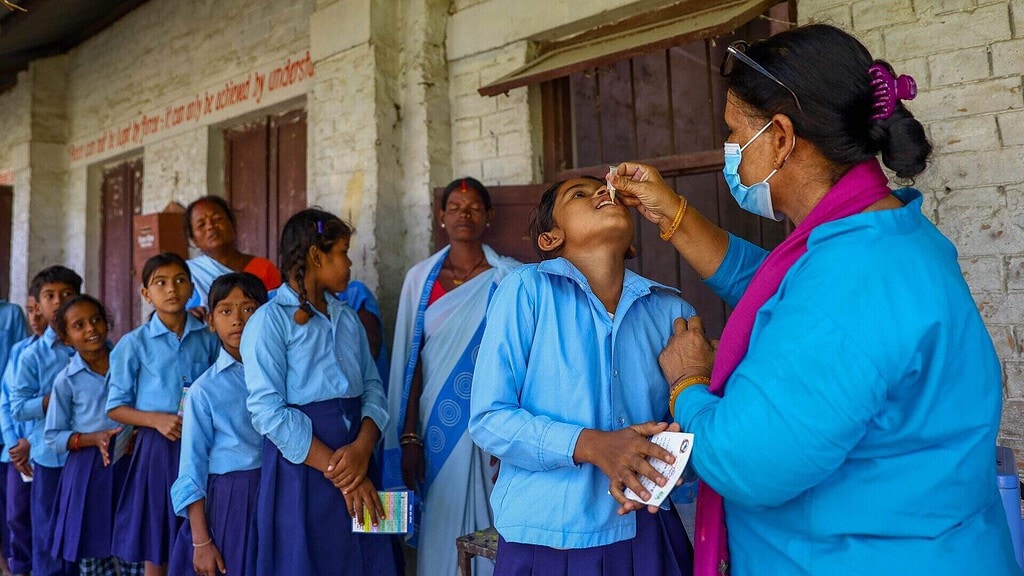
Cholera: wereldwijd overzicht van uitbraken
Wereldwijd zijn er opnieuw cholera-uitbraken gemeld. Tot en met 19 april 2026 zijn er meer dan 70.000 cholera-infecties geregistreerd. Meer dan 850 mensen zijn overleden aan de gevolgen van cholera.
De uitbraken zijn onder andere gemeld in Afghanistan, Angola, Burundi, Congo, Ethiopië, Jemen, Haïti, India, Malawi, Mozambique, Myanmar, Namibië, Nigeria, Pakistan, Rwanda, Somalië, Soedan, Tanzania, Zambia, Zimbabwe en Zuid-Soedan.
De landen met het hoogste aantal gemelde cholera-infecties zijn op dit moment:
Wat betekent dit voor reizigers?
Voor de meeste reizigers is het risico op cholera klein. Cholera verspreidt zich vooral via besmet water of voedsel en komt vaker voor in gebieden met slechte sanitaire omstandigheden of beperkte toegang tot schoon drinkwater.
Vaccinatie tegen cholera wordt meestal alleen aanbevolen voor reizigers die in risicovolle omstandigheden verblijven, bijvoorbeeld mensen die in een vluchtelingenkamp gaan werken en daar niet kunnen beschikken over gekookt of schoon drinkwater.
Hoe kun je cholera voorkomen?
De belangrijkste maatregel is het vermijden van besmet water en voedsel. Drink alleen water waarvan je zeker weet dat het veilig is, bijvoorbeeld gekookt water of water uit een verzegelde fles. Let ook op met ijsblokjes, rauwe producten en eten dat niet goed verhit is.
In 2025 werd cholera vastgesteld bij reizigers naar Ethiopië na contact met water uit een heilige bron. Drink daarom geen water uit zoetwaterbronnen, ook niet wanneer dit als heilig water wordt aangeboden.
Reis je naar een gebied waar cholera voorkomt?
Ga je binnenkort op reis naar een land waar cholera voorkomt of verblijf je onder minder hygiënische omstandigheden? Laat je dan vooraf goed adviseren. Bij Vaccinatiepunt kijken we welke vaccinaties en voorzorgsmaatregelen voor jouw reis nodig zijn.
Maak eenvoudig een afspraak voor persoonlijk reisadvies bij Vaccinatiepunt.